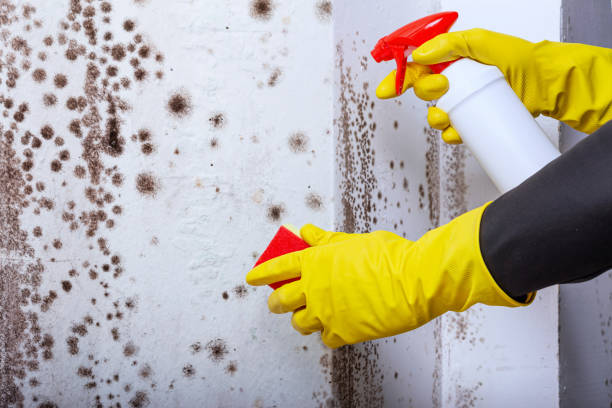
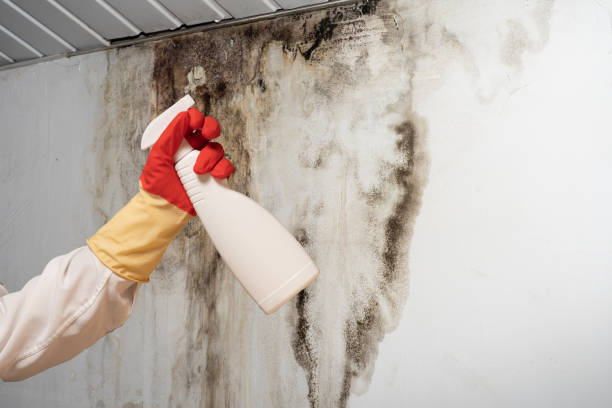
When it comes to safeguarding your home or business from the potential health risks and structural damage caused by mold, hiring the right mold inspector is crucial. Not all inspectors are created equal, and understanding what to look for can make the difference between a quick fix and a thorough solution. Here’s what you need to know before selecting a mold inspector.
Why Choosing the Right Mold Inspector Matters
Mold inspection isn’t just about spotting visible signs of mold. A competent inspector evaluates hidden areas, identifies potential sources of moisture, and provides actionable solutions to eliminate mold at its root. An unqualified or inexperienced inspector can miss key issues, resulting in recurring problems that are costly and hazardous to health.
Factors to Consider When Hiring a Mold Inspector
- Qualifications and Certifications:
Ensure the inspector holds certifications from recognized organizations like: - The American Council for Accredited Certification (ACAC).
- The National Organization of Remediators and Mold Inspectors (NORMI).
These credentials demonstrate their expertise in environmental testing and mold remediation standards. - Experience:
Look for professionals with years of experience performing residential or commercial mold inspections. Ask about their background in handling cases similar to yours—whether it involves water damage, HVAC system contamination, or other specific scenarios. - Equipment and Techniques:
A reputable inspector uses advanced tools such as infrared cameras, moisture meters, air sampling equipment, and surface swabs for accurate detection. These tools ensure that no area is overlooked during the inspection process. - References and Reviews:
Check previous client reviews on reliable platforms like Google or the Better Business Bureau (BBB). Don’t hesitate to ask for references from past customers who had similar concerns as yours.
Red Flags to Watch Out For
- Free Inspections with Hidden Costs: If an inspector offers free services but later ties them to expensive remediation work without clear justification, this could indicate a conflict of interest.
- Lack of Proper Documentation: A trustworthy professional provides detailed reports complete with lab results (if applicable), photos, diagrams, and explanations.
- Selling Testing Kits Without Explanation: Avoid inspectors who push DIY kits without clearly explaining how they compare—or fall short—of professional testing methods.
- No Independent Testing Authority: Ensure that any lab analysis is conducted through an independent third party rather than in-house testing by the same company performing repairs.
Key Questions to Ask Your Potential Mold Inspector
Before making your decision, ask these critical questions: – What certifications do you hold in mold inspection? – Do you use third-party labs for testing? – Can you provide references from past clients? – What kind of equipment will be used during my inspection?
– Will I receive a detailed report after your assessment?
Taking time upfront to vet potential inspectors will pay off by ensuring accurate results that help protect your property and health long-term.
Understanding Lakeland, FL Mold Removal and the Roles of Mold Inspectors
When dealing with potential mold issues in your home or workplace, hiring the right professional is a critical step in identifying and addressing the problem. Not all mold inspectors are created equal, and understanding the different types of inspectors and their roles can help you make an informed decision.
Understanding Mold Remediation Lakeland, FL: Types of Mold Inspectors
- Certified Mold Inspectors (CMIs):
These are individuals trained specifically to inspect, test, and report on mold issues. They may use specialized equipment such as moisture meters, infrared cameras, or air sampling tools to identify areas where mold growth is likely. - Industrial Hygienists (IHs):
Industrial hygienists are highly trained professionals who specialize in environmental health risks, including mold. They are often tasked with performing detailed environmental assessments and creating effective remediation plans. - Environmental Consultants:
These consultants provide a broader scope of services that may include site inspections for mold alongside evaluations for asbestos, radon, or other contaminants. While not all environmental consultants specialize exclusively in mold, they often have extensive knowledge about building materials and air quality. - DIY Mold Testing Providers:
Some companies sell at-home mold testing kits or offer basic inspection services performed by minimally trained staff members. While these options may be affordable upfront, they often lack accuracy or reliability due to limited expertise.
Essential Responsibilities of Mold Testing in Lakeland, FL
- Conducting visual inspections to identify signs of water damage or visible mold growth.
- Using tools like hygrometers to measure humidity levels contributing to potential mold issues.
- Collecting air samples from different areas within a property for laboratory analysis.
- Taking surface swab or tape lift samples from suspected growth areas.
- Providing detailed reports that outline findings along with any necessary next steps for remediation.
Comprehensive Guide to Lakeland Mold Removal Services and Professional Types
| Type | Expertise Level | Services Offered | Suitable For |
| Certified Mold Inspector (CMI) | Moderate | Inspection, testing, reporting | Homeowners suspecting minor-to-moderate issues |
| Industrial Hygienist (IH) | High | Advanced assessments & remediation planning | Large-scale commercial buildings; complex cases |
| Environmental Consultant | Broad | Multi-contaminant evaluations | Homes or workplaces with multiple concerns |
| DIY Testing Provider | Low | Basic sampling kits | Quick but less-reliable results |
Choosing the Right Option
Selecting the right type of inspector depends largely on your specific needs: – For small-scale concerns (e.g., visible spots), a certified inspector might suffice. – If you’re unsure about underlying causes like poor ventilation or structural damage contributing to moisture buildup, an industrial hygienist could offer better insights. – Consider avoiding DIY solutions entirely if accuracy is important since improper handling can lead to inaccurate results.
Understanding these distinctions ensures that you hire someone who can address your unique situation effectively while delivering actionable recommendations backed by science-based methods.
Key Qualities That Define a Truly Qualified Mold Inspector
1. Proper Certifications and Licensing
A reliable mold inspector should hold certifications from reputable organizations, such as:
– American Council for Accredited Certification (ACAC) – Certification programs like the Certified Indoor Environmentalist (CIE) or Certified Microbial Investigator (CMI).
– National Association of Mold Professionals (NAMP) – Specialized training on mold inspection and remediation techniques.
– State Licensing – Certain states require inspectors to be licensed, so ensure they meet any local legal requirements.
Verify their credentials before hiring, as this ensures they adhere to industry standards and ethics.
2. Adequate Training and Experience
Experience is crucial when it comes to identifying various types of molds and conditions that promote their growth. A qualified inspector should demonstrate knowledge in:
– Building science and moisture control principles.
– HVAC systems, which can impact indoor air quality.
– Common building materials where mold often thrives, such as drywall or insulation.
Ask about their years of experience in the field and whether they have handled cases similar to your situation.
3. Use of Advanced Equipment
Professional inspectors rely on specialized tools to perform accurate assessments. Look for someone who uses technologies such as:
– Moisture meters to detect hidden dampness behind walls or under floors.
– Thermal imaging cameras for locating temperature variations that could indicate moisture intrusion.
– Air sampling pumps for collecting air quality data to identify spore levels inside your property.
Their ability to use these tools effectively ensures a detailed evaluation of the problem.
4. Comprehensive Inspection Process
A thorough inspection includes more than just visual checks; it combines:
1. Evaluating possible water damage sources like leaks or poor ventilation. 2. Collecting physical samples (surface swabs/tape lifts) if required. 3. Assessing adjacent areas that may be indirectly affected by mold spread. 4. Providing clear documentation with photographic evidence where applicable.
An incomplete inspection could lead to unresolved issues down the line, so ensure they follow a rigorous process.
5. Strong Communication Skills
The ability to explain findings clearly distinguishes top-tier professionals from others in the industry:
– Inspectors should simplify technical jargon into easy-to-understand terms for clients. – They need to provide actionable recommendations rather than vague suggestions. – Transparency in explaining limitations of testing methods is equally important.
Effective communication helps you make informed decisions based on their findings.
Table: Checklist for Evaluating a Mold Inspector
| Quality | What To Look For |
| Certifications | ACAC, NAMP certifications; state licensing if required |
| Experience | Minimum 3–5 years; expertise in identifying hidden moisture sources |
| Tools | Moisture meters, thermal imaging cameras, air sampling pumps |
| Inspection Process | Comprehensive reviews with documentation, photos, and actionable recommendations |
| Communication | Clear explanations, transparency about limitations |
Finding an inspector who meets these qualifications safeguards against subpar results while ensuring accurate detection and resolution of any mold problems in your environment.

The Importance of Avoiding Raw Lab Reports for Accurate Mold Testing
Raw Lab Reports Can Be Misleading
- No contextual analysis: Raw lab reports do not explain how the results relate to your specific environment. High spore counts in one location might not necessarily indicate a significant problem if conditions are dry and non-conducive to growth.
- Unclear health implications: Many raw reports fail to provide insights into whether the identified mold types are likely to cause health concerns such as allergies or respiratory issues.
- Lack of actionable steps: Without expert input, the data alone cannot guide you toward practical remediation plans.
Benefits of Expert-Reviewed Mold Testing Results
- Simplified summaries: Professionals translate complex data into clear summaries that explain what the results mean for your property.
- Insight into severity: Experts help determine whether mold levels pose a minor issue or require urgent remediation.
- Targeted recommendations: A professional report often includes specific recommendations for remediation techniques tailored to your situation.
| Feature | Raw Lab Report | Expert Analysis Report |
| Data interpretation | None | Yes |
| Context provided | No | Yes |
| Practical recommendations | No | Yes |
| Health risk assessment | Limited | Comprehensive |
How Professional Mold Inspectors Use Lab Reports
- Sampling strategy: Inspectors carefully select test locations based on your property’s layout and potential problem areas.
- Contextual comparison: They compare indoor air samples with outdoor air samples to determine if an elevated indoor spore count exists.
- Customized recommendations: Instead of leaving you confused by raw numbers, inspectors develop plans that address both immediate concerns and long-term prevention strategies.
Key Takeaways
Depending solely on raw lab reports for understanding mold problems can lead to confusion and ineffective solutions. Partnering with experienced professionals ensures that you receive clear guidance backed by expertise in environmental science and indoor air quality standards.
For anyone dealing with potential mold issues, ensuring access to comprehensive analysis rather than relying on unprocessed data will lead to better decision-making for creating safe environments at home or in the workplace.
Critical Questions to Ask Before Hiring a Professional Mold Inspector
Choosing the right mold inspector is pivotal for ensuring the safety and health of your space. Asking the right questions helps gauge their expertise, professionalism, and ability to deliver accurate assessments. Below are some critical questions you should ask before hiring a professional mold inspector.
1. Are You Certified or Licensed?
- Confirm whether the inspector is certified by a recognized organization such as:
- American Council for Accredited Certification (ACAC)
- National Association of Mold Remediators and Inspectors (NAMRI)
- Licensing requirements vary by state. Ask if they comply with local regulations.
- Certification ensures they have undergone proper training and adhere to industry standards.
2. What Type of Testing Methods Do You Use?
- Inquire about the testing methods they employ, such as:
- Air sampling
- Surface sampling
- Bulk testing
- Ensure they use laboratory analysis conducted by an accredited lab.
- Ask how their methods align with guidelines set forth by organizations like the Environmental Protection Agency (EPA).
3. Do You Provide Detailed Reports or Just Raw Data?
- A professional should provide:
- Comprehensive reports explaining findings
- Clear information on mold type, location, and severity
- Actionable recommendations based on results
- Avoid inspectors who provide raw lab reports without professional interpretation.
4. Do You Perform Both Inspection and Remediation Services?
- Ideally, hire an independent mold inspector who does not offer remediation services.
- This eliminates conflicts of interest where an inspector might overstate issues to sell additional services.
5. What Is Your Experience in This Field?
Questions to ask include: – How many years have they been inspecting for mold? – Have they worked on cases similar to yours (e.g., residential vs. commercial spaces)? Experienced professionals are more likely to identify subtle issues that less experienced inspectors might overlook.
6. Do You Carry Insurance?
A credible mold inspector should have: – General liability insurance – Errors and omissions (E&O) insurance specific to environmental assessments. Insurance coverage protects you from unforeseen liabilities during or after the inspection process.
7. What Will the Inspection Process Look Like?
Understand their approach by asking about:
– Timeline and scope of work
– Tools used, such as thermal imaging cameras or humidity meters
A clear plan reflects organization and attention to detail.
Sample Checklist: Questions at a Glance
| Question | Why It’s Important |
| Are you certified or licensed? | Ensures credibility and adherence to industry standards |
| What methods do you use for testing? | Verifies accuracy and reliability of results |
| Do you provide detailed reports? | Avoids confusion caused by raw data |
| Do you also offer remediation? | Prevents conflict of interest |
| How much experience do you have? | Confirms ability to handle complex cases |
| Are you insured? | Protects against liability |
| What does your process involve? | Clarifies expectations |
Being diligent in your questioning helps ensure that you hire a qualified professional capable of delivering reliable mold inspection services tailored to your needs.
Why Accurate Mold Testing Is Crucial for a Safe and Healthy Environment
Accurate mold testing is an essential step in ensuring that your living or working environment remains healthy and safe. Without precise testing, mold issues can go unnoticed or be improperly addressed, leading to health risks, property damage, and significant financial costs over time. Here’s a detailed look at why accuracy in mold testing matters and how it impacts your environment.
Protecting Your Health
Mold growth can pose serious health risks, particularly for individuals with allergies, asthma, or compromised immune systems. Accurate testing is key to identifying the presence of harmful mold species such as Stachybotrys chartarum (commonly known as black mold), which can produce toxic compounds called mycotoxins. These toxins have been linked to symptoms like:
- Chronic respiratory problems
- Sinus congestion
- Skin irritation
- Headaches or migraines
- Fatigue and cognitive issues
Without accurate testing, these hazards may go undetected, prolonging exposure and worsening health outcomes.
Preventing Structural Damage
- Rotting of wooden structures
- Weakening of walls and ceilings
- Damage to flooring materials
Without proper detection through accurate mold tests, you risk allowing hidden infestations to spread unchecked.
Ensuring Clear Identification of Mold Types
Not all molds are harmful or require immediate remediation. Accurate mold testing helps distinguish between harmless surface molds and more dangerous types that need professional intervention. This avoids unnecessary expenses tied to exaggerated remediation efforts for non-harmful species.
| Type of Mold | Primary Habitat | Health Effects | Remediation Urgency |
| Aspergillus | Damp indoor environments | Respiratory irritation/allergy | Medium |
| Stachybotrys (Black Mold) | High-moisture areas | Severe respiratory/mycotoxin exposure | High |
| Cladosporium | Wood & textiles | Minor allergy symptoms | Low |
This level of specificity is only possible with thorough and accurate testing techniques.
Avoiding False Negatives or Overestimations
- A false negative allows harmful molds to persist undetected.
- An overestimation might lead to unnecessarily costly remediation processes.
Reliable methods such as air sampling paired with surface swab analysis reduce the chances of these errors occurring.
Legal Compliance and Real Estate Transactions
Accurate mold reporting is also important during property sales or rentals. Many regions require disclosure about indoor air quality conditions as part of real estate transactions. Inaccurate tests could lead to legal liabilities if significant mold issues are discovered after closing the deal.
Steps Toward Reliable Testing Results
- Hire certified professionals with experience in environmental assessments.
- Request lab-analyzed data rather than relying solely on visual inspections.
- Ensure multiple methods are used (e.g., surface sampling + air quality monitoring).
- Verify that reports include clear findings presented in an understandable format.
By prioritizing accuracy throughout the entire process, you protect both your property investments and the health of everyone who resides within those spaces while maintaining peace of mind about potential mold hazards lurking unseen around you.

How to Identify Reliable Environmental Services for Thorough Mold Inspections
1. Verify Licensing and Certification
A reputable environmental service provider should possess proper licensing and certification specific to mold inspection and testing. Look for credentials such as:
– Certified Mold Inspector (CMI)
– Certified Industrial Hygienist (CIH)
– Council-Certified Indoor Environmental Consultant (CIEC)
These certifications demonstrate that the inspectors have undergone specialized training and adhere to industry standards.
2. Assess Experience in the Field
Experience matters when it comes to identifying and addressing mold issues. Choose companies with several years of expertise in environmental services, particularly those that specialize in indoor air quality and mold remediation. Experienced professionals are more likely to recognize less-obvious signs of mold growth and evaluate complex situations effectively.
3. Request a Detailed Inspection Process
Reliable environmental service providers should outline their inspection process clearly. A thorough inspection typically includes:
1. Visual examination of the property to locate visible signs of mold growth or water damage. 2. Air sampling to test for airborne mold spores. 3. Surface sampling (e.g., tape lift or swab tests) from affected areas. 4. Moisture measurements using meters or infrared cameras to detect hidden dampness.
Companies unwilling or unable to explain their process may not conduct inspections rigorously, leading to overlooked hazards.
4. Review Customer Testimonials and References
Customer feedback is an excellent way to gauge the reliability of an environmental service provider. Check online reviews on platforms like Google, Yelp, or Better Business Bureau ratings, and request references from previous clients if possible.
Key considerations when reviewing testimonials:
– Were clients satisfied with the accuracy of the testing?
– Was the company responsive?
– Did they provide clear explanations of results?
5. Ensure Use of Accredited Laboratories for Testing
The accuracy of mold test results depends significantly on laboratory analysis quality. Confirm whether the company works with laboratories accredited by organizations like:
– The AIHA Laboratory Accreditation Programs (AIHA-LAP)
– The Environmental Microbiology Laboratory Accreditation Program (EMLAP)
Accredited labs follow strict quality control protocols, ensuring reliable results.
| Reliable Service Check | Why It’s Important |
| Licensing & Certification | Ensures expertise in compliance with industry standards. |
| Clear Inspection Process | Guarantees comprehensive evaluation for hidden issues. |
| Accredited Laboratory Partnerships | Provides credible data for informed decision-making. |
6. Transparency in Reporting
Trustworthy inspectors provide detailed reports that are easy to understand but also professionally comprehensive. Reports should include:
– A summary of findings. – Photographs highlighting affected areas. – Lab results if samples were collected. – Recommendations for addressing any identified problems.
Avoid companies that offer raw lab data without context, as this can be misleading without expert interpretation.
7. Avoiding Conflict of Interest
Preferably, hire a company that focuses solely on inspection rather than combining it with remediation services, as this reduces potential conflicts of interest between diagnosing issues and providing repair solutions.
Taking these steps ensures you work with a reliable provider who delivers accurate information regarding your property’s air quality and structural safety risks related to mold exposure.
Making an Informed Choice: Ensuring the Best Results from Your Mold Test
When it comes to mold testing, making an informed choice is crucial for achieving accurate and actionable results. A thoughtful approach ensures that the process meets your needs, protects your health, and prevents unnecessary expenses. Below are essential guidelines to help you secure the best outcomes from your mold test.
Understand Your Testing Needs
- Purpose of Testing: Are you testing due to visible mold growth, a musty odor, health concerns, real estate transactions, or legal matters?
- Type of Testing Required: Do you need air sampling, surface swabs, bulk sampling, or advanced testing like ERMI (Environmental Relative Moldiness Index)?
- Environmental Context: Are there signs of water damage or high humidity levels in particular areas? Identifying affected spaces will streamline the process.
By understanding these factors upfront, you can better align with a qualified professional who specializes in your specific situation.
Vetting Qualified Professionals
- Look for credentials like IICRC (Institute of Inspection Cleaning and Restoration Certification) or ACAC (American Council for Accredited Certification).
- Verify state-specific licensing requirements where applicable.
- How many years of experience does the inspector have?
- Have they conducted tests in similar properties (e.g., residential vs. commercial)?
- Advanced instruments like moisture meters and thermal imaging cameras improve detection accuracy.
- Ensure laboratory partnerships adhere to AIHA (American Industrial Hygiene Association) standards for sample analysis.
Evaluate Testing Processes
- Conducting a visual inspection to identify obvious signs of mold growth.
- Gathering samples strategically from both affected and unaffected areas.
- Utilizing control samples for comparative purposes.
- Providing a detailed report with actionable recommendations rather than raw lab data alone.
| Feature | Reliable Inspector | Unreliable Inspector |
| Credentials | Certified by recognized bodies | No verifiable credentials |
| Reporting Method | Comprehensive summary | Raw lab results only |
| Equipment Quality | Modern tools | Outdated or no equipment |
Ask Key Questions
- What is included in your inspection process?
- Will you provide a written report with findings and recommendations?
- Do you work independently from remediation companies?
Independent testers avoid conflicts of interest that could skew results toward unnecessary mitigation efforts.
Know What to Expect After Testing
- The types of mold identified.
- Levels compared to normal environmental baselines.
- Specific remediation steps if hazards are present.
A proactive approach ensures that any necessary steps are taken efficiently while avoiding overreaction or unwarranted costs.
By following these principles—understanding your needs, vetting professionals thoroughly, evaluating processes carefully—you’ll be well-positioned to make informed decisions about your mold test while protecting both health and property value effectively.
- The Importance of Mold Testing Lakeland, FL for Your Home and Health
- Essential Information for Choosing the Best Mold Removal Company Lakeland, FL
- The Complete Guide to Mold Remediation Lakeland, FL Services for Homeowners
- Finding the Best Lakeland, FL Mold Removal Services for Your Needs
- Finding the Best Lakeland, FL Mold Removal Services for Effective Testing and Remediation
- How to Choose the Best Mold Removal Company Lakeland, FL for Your Needs