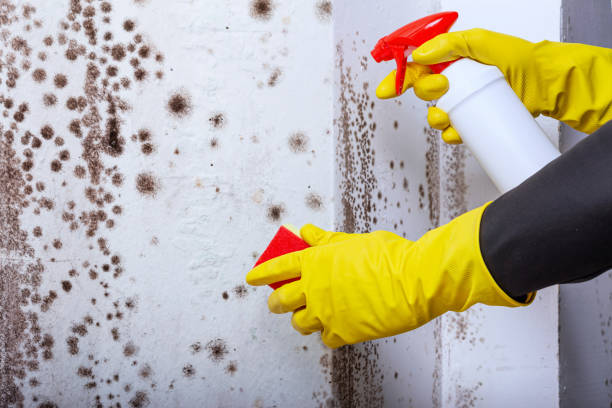
When dealing with mold in your home or business, selecting the right mold remediation company is critical. Not all companies offer the same level of expertise or service, and choosing the wrong one can lead to ineffective solutions and recurring problems. Here are some essential steps and considerations to help you make an informed decision.
Find the Best Mold Removal Company Lakeland, FL for Your Needs
Before starting your search, it’s important to identify your specific requirements:
– Type of property: Is it residential, commercial, or industrial? Some companies specialize in certain property types.
– Extent of mold growth: If you notice widespread mold growth or suspect hidden mold, you may need a company that offers comprehensive testing and remediation services.
– Urgency: If you’re dealing with a severe infestation or health concerns related to mold exposure, a quick-response team may be necessary.
Finding Trusted Mold Remediation Lakeland, FL Companies
Once you have identified your needs, focus on finding reputable companies in your area:
1. Online reviews: Check Google reviews, social media platforms, or third-party review sites like Yelp for customer feedback about local businesses. Look for comments related to the quality of their work and professionalism.
2. Referrals: Ask friends, family members, or colleagues who have dealt with similar issues for recommendations.
3. Experience and reputation: Look into how long a company has been in business and whether they have experience with cases similar to yours.
Why Certifications Matter in Lakeland Mold Removal Services
Look for certifications that indicate expertise and professionalism in mold remediation: | Certification | Issuing Organization | Significance | |—————|———————–|————-| | IICRC Mold Remediation Certification | Institute of Inspection Cleaning & Restoration Certification | Ensures knowledge of safe remediation practices | | NAMRI Certification | National Association of Mold Remediators & Inspectors | Demonstrates expertise in inspection and management | | EPA Lead-Safe Certification | Environmental Protection Agency (EPA) | Reflects compliance when working on structures containing lead-based materials |
Red Flags to Avoid
Stay cautious if a company exhibits any of these warning signs: 1. Offers quotes without inspecting the premises. 2. Promises “complete removal” instead of focusing on control or remediation (mold cannot be fully eliminated). 3. Uses scare tactics regarding health risks without providing evidence-based explanations. 4. Lacks proper certifications or insurance coverage.
By taking the time to evaluate potential options based on these factors, you’ll have greater peace of mind knowing you’re choosing a reliable partner who can resolve your mold issue effectively and safely.
Key Factors to Look for When Selecting a Professional Mold Remediation Expert
When dealing with mold problems, selecting the right mold remediation expert is crucial to ensuring long-term effectiveness and safety. Not all professionals are equally qualified, so it’s important to evaluate their credentials, expertise, and approach carefully. Below are some of the key factors to consider when making your decision.
1. Experience in Mold Remediation
Experience is one of the most critical indicators of a professional’s ability to handle mold issues effectively. Consider the following:
– Years in Business: Look for companies or individuals who have been operating for several years and have a proven track record in your area.
– Specialization: Ensure they specialize specifically in mold remediation rather than offering it as an ancillary service alongside unrelated tasks like general cleaning or contracting.
– Case Studies/Examples: Ask if they can provide examples of past projects, especially cases similar to yours.
2. Proper Certifications and Licensing
A reputable mold remediation expert should possess industry-standard certifications and licensing. Some important qualifications include:
– IICRC Certification: The Institute of Inspection Cleaning and Restoration Certification is widely recognized in the industry for setting quality standards.
– State Licensing: Depending on your location, verify if mold remediation specialists are required to hold specific licenses or permits to operate legally. – EPA Guidelines Compliance: Ensure they adhere to Environmental Protection Agency (EPA) standards for managing indoor air quality during remediation processes.
3. Comprehensive Assessment Methods
A professional should follow a thorough inspection process before beginning remediation work. Key aspects of proper assessment include:
– Conducting moisture mapping and infrared inspections to identify hidden sources of water damage.
– Collecting air samples or surface swabs for laboratory analysis if necessary. – Providing a detailed written report summarizing findings, recommended actions, and cost estimates.
4. Transparent Pricing Practices
Avoid choosing professionals who provide vague or overly broad cost estimates without proper assessments. Instead, look for these qualities in pricing practices:
– A detailed breakdown of costs (labor, equipment usage, post-remediation testing).
– No upfront payment demands unless explicitly mentioned as part of industry-standard practice. – Willingness to discuss potential contingencies if unexpected issues are discovered mid-project.
| Factor | What You Should Expect |
| Certifications/Licensing | IICRC-certified; licensed per state laws |
| Assessment Procedures | Written reports; advanced tools like thermal imaging |
| Experience | At least several years working exclusively in mold-related issues |
5. Use of Safe and Effective Remediation Methods
The methods employed by the expert should align with current best practices in mold removal and prevention while prioritizing health safety. Here’s what you should confirm:
– Containment Measures: Use of physical barriers such as plastic sheeting and HEPA filters during cleanup. – Non-Toxic Cleaning Agents: Preference for environmentally friendly solutions that minimize chemical exposure risks. – Preventative Solutions: Recommendations on moisture control strategies post-remediation (e.g., fixing leaks or improving ventilation).
6. Positive Reviews and References
Reputation matters when evaluating a potential hire: – Check online reviews on platforms like Google or Yelp but focus on those providing detailed explanations about their experience. – Ask for references from previous clients who can vouch for their professionalism and results.
By thoroughly assessing these factors, you can ensure you’re working with a qualified expert capable of addressing your unique needs effectively while safeguarding your home’s integrity over time.
Key Factors to Look for When Selecting a Professional Mold Remediation Expert
Selecting the right mold remediation expert is a critical step in ensuring the safety and well-being of your home or business. With so many options available, it’s essential to know what to look for in a professional. Below are key factors that can help guide your decision-making process.
1. Certifications and Licensing
- Verify that the company holds proper certifications, such as those from the Institute of Inspection Cleaning and Restoration Certification (IICRC).
- Check for licensing requirements specific to your state or region.
- Look for additional training or credentials such as Mold Assessment Technician (MAT) or Mold Remediation Contractor (MRC).
| Certification Type | Issuing Organization | Purpose |
| IICRC Certification | Institute of Inspection Cleaning and Restoration Certification | Demonstrates expertise in mold removal and restoration techniques. |
| MAT/MRC Licensing | State Regulatory Boards | Ensures compliance with local regulations and standards. |
2. Experience in Mold Remediation
- Ask about the company’s experience handling similar cases.
- Companies with a proven track record are more likely to understand complex situations like severe infestations or recurring mold problems.
- Request references from past clients who had similar issues.
3. Comprehensive Services
- Initial mold inspection and testing.
- Detailed assessment reports with findings.
- Customized remediation plans tailored to your property.
- Post-remediation verification testing to ensure all mold has been removed.
4. Use of Advanced Equipment
Modern tools can make a significant difference in both identifying the extent of the issue and addressing it effectively.
Examples include: – Infrared Cameras: Detect moisture behind walls or under surfaces where mold may grow unnoticed. – HEPA Filters: Capture airborne spores during cleanup to prevent further contamination. – Air Scrubbers: Purify indoor air while reducing spore counts during remediation.
5. Clear Communication
Effective communication is important throughout the remediation process: – The expert should explain findings clearly during inspections. – They must provide transparency about costs, timelines, and expected outcomes. – Written documentation—such as contracts, estimates, or reports—should be provided at every stage.
6. Insurance Coverage
Ensure that the company is insured for liability and workers’ compensation: – Liability insurance protects you from damages caused by mistakes during remediation. – Workers’ compensation ensures that employees working on your property are covered in case of injury.
7. Customer Reviews and Testimonials
Take time to read reviews on platforms like Google Reviews, Yelp, or Better Business Bureau (BBB). Positive feedback often reflects quality service. However: – Be cautious of companies with overwhelmingly perfect reviews; authentic testimonials typically include both strengths and areas for improvement.
Choosing a professional mold remediation expert requires careful consideration of their qualifications, experience, equipment, communication skills, insurance coverage, and reputation. By evaluating these factors systematically, you can ensure effective removal of mold while safeguarding your property against future infestations.
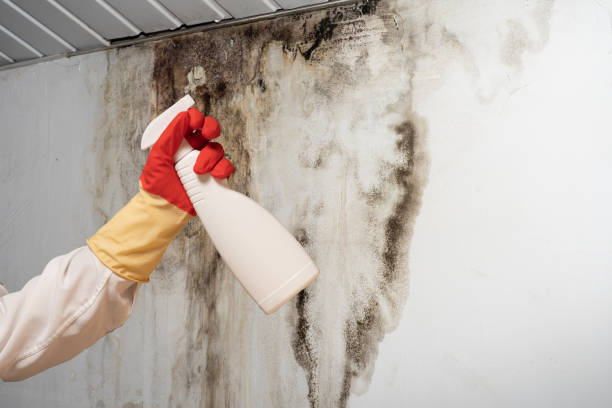
The Step-by-Step Process of Mold Inspection, Assessment, and Testing
Step 1: Initial Consultation and Evaluation
The process often begins with an initial consultation where homeowners or property managers share their concerns. During this phase:
– Professionals may ask about visible signs of mold or persistent odors.
– A review of any past water damage or leaks is conducted to assess potential sources of mold growth.
Key factors to consider during this stage:
– Areas prone to high humidity (e.g., basements, bathrooms, attics).
– HVAC systems that may spread spores throughout the property.
Step 2: Visual Inspection
A thorough visual inspection is performed to identify visible mold growth and areas at risk. This step includes:
– Examining walls, ceilings, flooring, and other vulnerable surfaces for discoloration or fungal colonies.
– Checking ventilation systems and ducts for contamination.
Tools commonly used in this phase include:
| Tool | Purpose |
|———————-|————————————-|
| Flashlights | To illuminate hidden areas |
| Moisture meters | To measure moisture levels |
| Thermal imaging cameras | To detect unseen water intrusion |
Note: Visible mold doesn’t always indicate the full extent of contamination, making subsequent steps vital.
Step 3: Moisture Source Identification
Mold thrives in damp environments; identifying moisture sources is a critical part of stopping further growth. Professionals may look for:
– Roof or plumbing leaks causing water damage. – Inadequate ventilation in bathrooms or kitchens. – Water seepage through basement walls.
Once identified, recommendations are made to address these issues before remediation begins.
Step 4: Sampling and Testing (If Necessary)
- Air Sampling – Collects air samples to detect airborne spores in different parts of a property.
- Surface Sampling – Swabs or tapes are used on contaminated areas to analyze specific types of mold present.
- Bulk Testing – Material samples (e.g., drywall) may be collected for further analysis in a lab setting.
Testing results help determine whether the contamination is minor or severe enough to require extensive remediation measures.
Step 5: Comprehensive Assessment Report
After inspection and testing are complete: – A detailed report summarizing findings is shared with property owners. – The report typically includes photographs, test results (if applicable), identified sources of moisture, affected areas, and recommendations for proceeding.
This documentation provides both clarity on the scope of work required and evidence for insurance claims if applicable.
Why Proper Mold Inspection Matters
Addressing mold without fully understanding its source can lead to recurring problems over time. A methodical approach ensures: – Effective mitigation strategies. – Prevention against health risks associated with prolonged exposure. – Cost savings by targeting specific problem areas rather than undergoing unnecessary large-scale repairs.
By following these steps carefully during mold inspection, assessment, and testing processes, professionals can create tailored remediation plans that eliminate hazards effectively while preventing future occurrences within your home or commercial space.
Essential Certifications and Experience to Expect from a Mold Remediation Specialist
When hiring a mold remediation specialist, it’s crucial to ensure they possess the proper certifications, qualifications, and experience to handle the job effectively and safely. Mold remediation is a technical process that requires in-depth knowledge of environmental hazards, safety protocols, and industry best practices. Here’s what you should expect from a qualified professional.
Key Certifications
A reputable mold remediation specialist should hold the following certifications:
1. IICRC Certification
– The Institute of Inspection, Cleaning and Restoration Certification (IICRC) is a globally recognized credential in the restoration industry. The Applied Microbial Remediation Technician (AMRT) certification demonstrates expertise in handling mold contamination and other microbial issues.
- The National Organization of Remediators and Mold Inspectors (NORMI) provides comprehensive training for professionals handling mold-related problems. Certifications like Certified Mold Remediator (CMR) or Certified Mold Assessor (CMA) ensure expertise.
- Specialists trained in EPA-compliant practices understand safe removal techniques for materials contaminated by mold as well as proper waste disposal methods in line with federal regulations.
- Some states require licensing for mold remediation professionals. Be sure to check your local regulations to confirm whether your specialist has met these requirements.
Industry Experience
- Years of Practical Work: Look for specialists with at least 2-5 years of hands-on experience in residential or commercial environments.
- Experience with Various Mold Types: A knowledgeable expert will be able to identify different types of mold species such as Aspergillus, Stachybotrys (black mold), or Penicillium, tailoring their approach accordingly.
- Knowledge of Building Systems: Understanding HVAC systems, insulation materials, and structural components is critical when addressing hidden sources of mold growth.
Ongoing Education
Mold remediation is not static; industry standards evolve as new research emerges on effective techniques and safety measures. Ensure your specialist stays current by attending workshops, completing advanced courses, or participating in continuing education programs provided by organizations like IICRC or NORMI.
Indicators of Professionalism
When assessing candidates for the job, look for these additional signs that reflect their reliability: – Availability of written documentation such as contracts outlining scope, timelines, and costs. – Knowledgeable guidance on preventive measures post-remediation. – Positive reviews and recommendations from previous clients.
- The Importance of Mold Testing Lakeland, FL for Your Home and Health
- Essential Information for Choosing the Best Mold Removal Company Lakeland, FL
- The Complete Guide to Mold Remediation Lakeland, FL Services for Homeowners
- Finding the Best Lakeland, FL Mold Removal Services for Your Needs
- Finding the Best Lakeland, FL Mold Removal Services for Effective Testing and Remediation
- How to Choose the Best Mold Removal Company Lakeland, FL for Your Needs